The ABC Guide to Textiles
Why Throw Weaves Matter: A Material Guide to Everyday Layering
A throw is more than a finishing touch. Its weave helps determine how it feels against the skin, how it moves over a sofa arm, and whether it reads as a light summer layer or a substantial note of warmth. Learn to look beyond color and pattern, and the small details of construction begin to tell a larger story.
Published October 25, 2026
Few home textiles are as effortless—or as revealing—as the throw. Draped over the back of a chair, folded at the foot of a bed, or gathered within reach on a sofa, it brings an intimate scale to a room. It is also a useful way to understand fabric. A throw’s character is shaped not only by the fiber it contains, but by the way those fibers are arranged: the crossings, loops, ridges, and spaces that form its weave or knit.
That structure affects texture, airflow, flexibility, coverage, and drape. An open weave may feel relaxed and light, while a compact construction can offer a more substantial hand and a sense of enclosure. Raised stitches catch the light; a brushed surface softens the outline of the fabric. Knowing what to notice makes it easier to choose a layer for the way you actually live—not simply the way a room looks in a photograph.
The first distinction: fiber is not weave
Fiber names describe the raw material: cotton, wool, linen, silk, alpaca, or a synthetic fiber, for example. Weave and knit names describe how yarns are assembled into cloth. The distinction matters because the same fiber can behave quite differently according to its construction. Cotton in a loose gauze-like weave will feel and fall differently from cotton woven into a dense, brushed blanket. Wool in a textured waffle structure will not have the same surface or movement as a smooth wool twill.
It helps to think of a finished textile as a conversation between ingredients and architecture. Fiber contributes qualities such as softness, resilience, moisture absorption, or warmth. Construction determines how those qualities are expressed: whether the cloth is airy or compact, crisp or yielding, flat or dimensional. Finishes add another layer. Brushing, washing, or garment dyeing can alter the surface and hand, while edging and binding influence how a blanket keeps its shape and how its borders appear.
When comparing throws, start with the label, but do not stop there. Ask what the fabric is made from, how it is constructed, and what the care instructions allow. A beautiful texture that needs specialist cleaning may suit an occasional decorative layer; a washable blanket may be more practical for a well-used family sofa. Neither is inherently better. The right choice is the one that fits the rhythm of the space.
Open structures: a lighter, airier presence
Open constructions have visible space between yarns or loops. They often feel less dense and may allow more air to move through the fabric. That can make them appealing in mild weather, in a heated room, or for layering over other bedding without adding too much visual or physical bulk. Their relaxed appearance also suits casual settings: a throw can look inviting rather than formally arranged.
Breathability, however, is not a simple promise of coolness. The finished feel depends on fiber, yarn thickness, fabric weight, and the surrounding environment. A loose wool textile may still feel warm because wool fibers can trap air; a lightweight cotton weave may feel comparatively fresh, but its actual comfort depends on how and where it is used. Consider “airy” as a clue to construction, not a guarantee of a particular temperature.
Open structures can also be more visually transparent and flexible. They may drape in soft folds over a chair rather than holding a precise, sculptural line. That easy movement is part of their appeal, though it can make the edge or pattern appear less crisp. Look closely at the borders: a finished hem or stitched edge can help define the shape and reduce the chance of loose threads during everyday handling.
Waffle weaves and the appeal of dimension
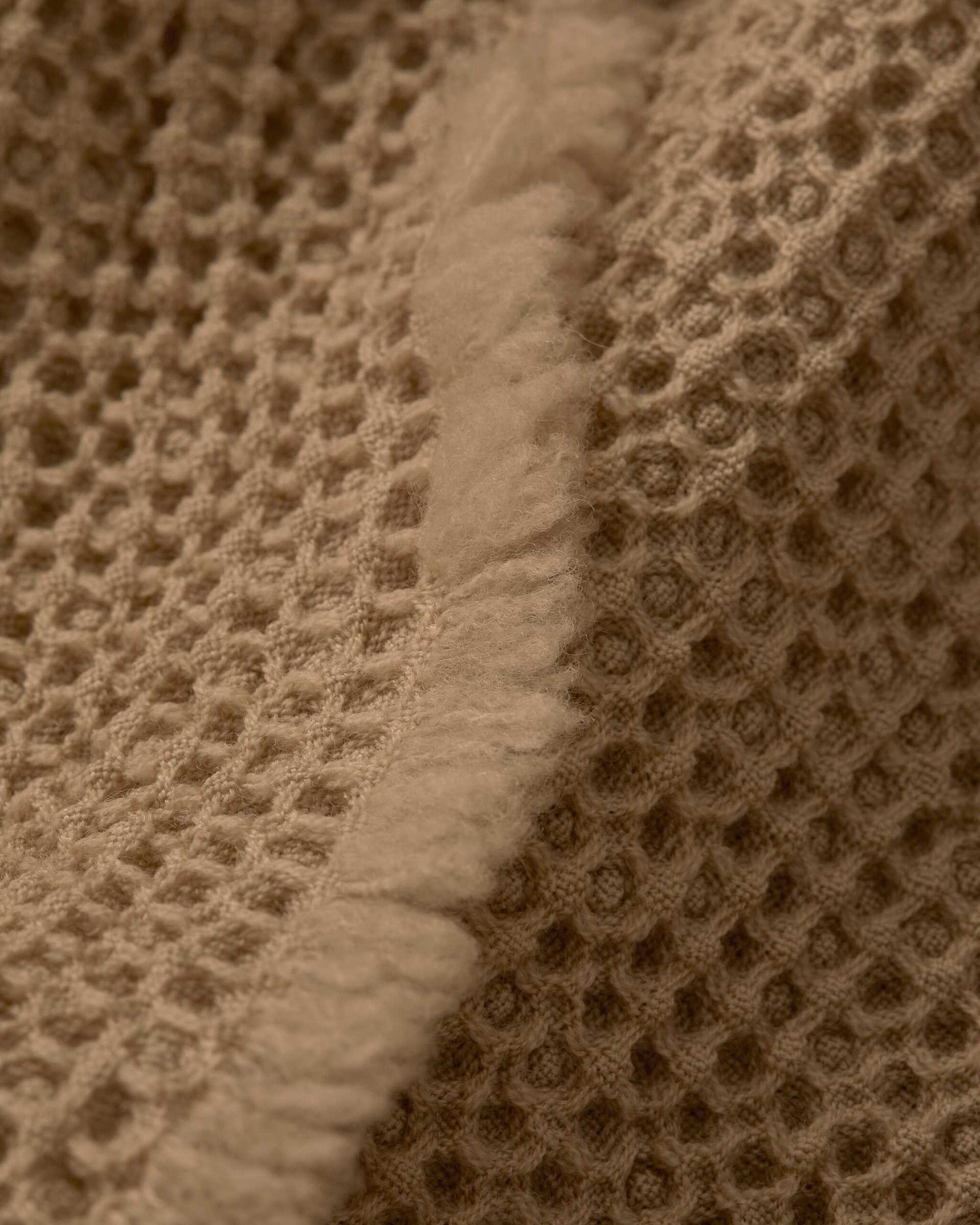
A waffle weave is recognizable by its raised, grid-like surface. The dimensional pattern creates shallow pockets and ridges, giving the cloth a tactile quality without relying on a printed motif. Depending on the fiber and density, the result may feel light and springy or more compact and substantial. The architecture is part of the decoration: even a simple color gains depth when the surface catches light at different angles.
The Nid Blanket, described as pure wool in a waffle weave, offers a useful example of how texture and material work together. Its three-dimensional construction gives the surface definition, while the wool content contributes a warm, soft hand. The product information lists a weight of 300 grams per square metre, a detail that helps readers compare fabric weight more thoughtfully than appearance alone. Such a number is informative, but it does not describe everything: yarn structure, finishing, and personal sensitivity to texture also matter.
Waffle textures can be especially appealing when a room needs a layer with presence but not an elaborate pattern. They introduce rhythm across a bed or chair, and their small-scale relief tends to pair well with smoother materials. If you are layering, consider contrast: a textured throw over plain upholstery can add interest, while another heavily patterned surface beneath it may compete for attention.
Brushed and washed finishes: softness with nuance
Finishing can change how a woven fabric feels as much as the weave itself. Brushing raises fine fibers at the surface, producing a softer, slightly fuzzy hand. It can also soften the visual definition of the weave, giving a blanket a more relaxed, lived-in appearance. A brushed textile may be inviting for close contact, though the surface can require considerate care to preserve its texture.
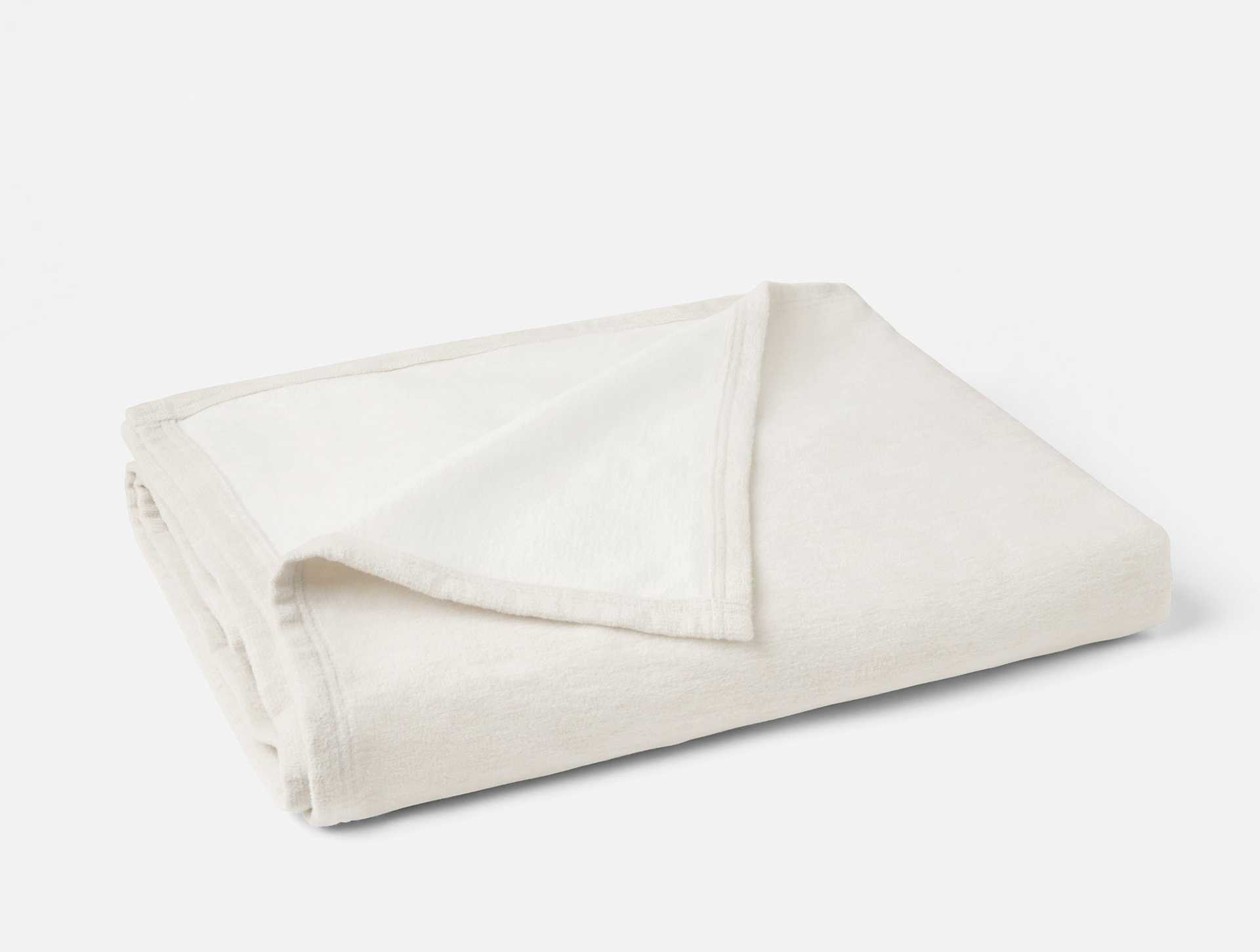
The Full Circle Recycled Cotton Blanket combines a woven construction with a brushed finish. It is described as a blend of 52 percent recycled cotton and 48 percent organic cotton, with color variation from the recycled yarn. That variation is a reminder that a textile’s visual character can arise from its material history as well as from its pattern. The care guidance calls for a cold, gentle wash with like colors and low-heat tumble drying, underscoring why care information belongs in any comparison.
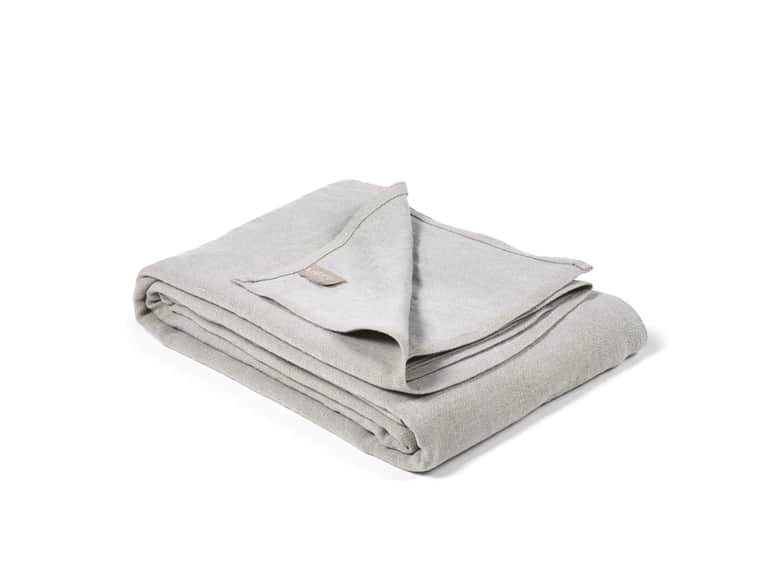
A stonewashed finish, by contrast, is often associated with a softer, less pristine hand from the outset. Linen, for instance, can have a naturally crisp quality, while a stonewashed surface may feel more relaxed. The Hudson Blanket is described as European linen with a stonewashed finish, combining a refined surface with the breathable character of linen. The exact feel still depends on the fabric’s weight and construction, but the example shows why fiber alone is not enough to predict the experience.
Dense constructions: more coverage, more visual weight
A tighter, denser weave tends to create a more continuous surface. It may offer greater coverage and can feel more substantial in the hand, making it a natural choice when a throw needs to function as a dependable layer. Dense does not automatically mean heavy, nor does it necessarily mean warmer: a lightweight fiber in a compact weave can feel very different from a thick, lofty fabric. Still, density is a useful detail when imagining how a textile will sit over the body or across furniture.
A denser throw often holds a neater fold and may maintain a more defined outline over an armchair. On a bed, it can create a grounded band of texture at the foot. That visual weight can be valuable in a room with airy curtains, pale upholstery, or smooth bedding, where a substantial layer gives the composition a point of calm. Conversely, in a small space already filled with heavy furniture and deep colors, a lighter weave may keep the room from feeling crowded.
When a throw will be used frequently, inspect the cloth for signs of sound construction: even edges, consistent tension, and a surface that feels coherent rather than fragile. These observations are not a substitute for specifications, but they can help you understand how a textile is likely to respond to ordinary folding, draping, and laundering.
Drape: how a throw behaves in a room
Drape is the way fabric falls under its own weight. A supple textile follows the shape of a chair and forms fluid folds; a firmer one may create a cleaner, more structured line. The relationship between fiber, weave, weight, and finish determines the effect. A fabric can be soft yet springy, fluid yet substantial, or light but crisp. There is no single ideal drape—only a quality that suits the setting.
For a sofa, think about where the throw will live. If it is meant to be used rather than styled, a flexible construction may be easy to pull over the knees and return to the arm. If the goal is a tailored accent, a more structured fabric can sit neatly along a cushion or the back of a chair. On a bed, the same throw might be folded into a narrow strip for a composed look or spread loosely for extra coverage. A textile with generous movement will feel different in each arrangement.
Size matters alongside drape. A small throw may work beautifully over a reading chair but look underscaled across a broad bed. A larger layer can be more versatile, though extra fabric may pool or drag if the furniture is compact. Before choosing, consider the dimensions of the surface and whether the blanket is intended for one person, shared use, or primarily decorative layering.
Texture as a design decision
Texture is not simply a tactile feature; it is one of the quiet tools of interior composition. A smooth throw can bring clarity to a room filled with patterned cushions. A raised weave offers subtle shadow and depth against plain upholstery. Fringe, binding, or a stitched border can make the edge feel either relaxed or precise. These details allow a layer to contribute character without adding another loud color or motif.
For a considered mix, combine surfaces that differ in scale. Pair a small, regular waffle with a broad, smooth bedding surface; set a softly brushed throw against leather or polished wood; let linen’s natural texture meet a crisp cotton sheet. Contrast is most effective when at least one element offers visual rest. Too many pronounced textures in a small area can feel busy, while a single tactile note can make a simple palette feel complete.
Color interacts with texture, too. A uniform surface tends to show color in a continuous field; textured yarns can create tonal shifts as light lands on the raised and recessed areas. Recycled yarns may bring subtle variation, while a garment-dyed textile can show nuanced differences in shade. These effects can make a neutral palette feel layered rather than flat, especially in rooms where color is restrained.
Choosing for use, not just appearance
A throw may move between a sofa, a guest bed, and a favorite chair, but it is worth identifying its principal job. A layer used every evening should be comfortable to handle and appropriate for the care routine you can maintain. A decorative coverlet may be judged more by scale, texture, and finish. A seasonal layer should suit the room’s temperature and the kind of warmth you prefer. Clear priorities make comparisons easier.
- For frequent use: Check laundering instructions, edge finishing, and whether the fabric is described as suitable for regular washing.
- For a light layer: Look for a relatively open construction or a lighter fabric weight, while remembering that fiber and finish affect comfort too.
- For a more substantial feel: Consider a denser weave, a raised texture, or a wool construction, and verify the care requirements.
- For relaxed styling: A supple drape, washed finish, or softly textured surface may fall naturally over furniture.
- For a tailored look: Pay attention to even hems, clean borders, and a fabric with enough body to hold a deliberate fold.
The label can also answer practical questions about fiber content, origin, certifications, and maintenance. Certifications should be read in context: they refer to defined standards and parts of a supply chain, not a universal guarantee of every quality a shopper might care about. If sustainability is important, consider the full picture—materials, production information, expected longevity, and whether the item can be cared for in a way that supports continued use.
Care is part of the construction story
A throw’s care label is not an afterthought. Washing, drying, and storage can influence a textile’s softness, shape, and surface over time. Follow the manufacturer’s instructions rather than assuming that every cotton blanket can be treated alike or that every wool layer must be handled in the same way. Blends and finishes can change the recommended approach.
When machine washing is permitted, gentle handling, similar colors, and appropriate temperatures can help preserve the fabric. Avoid overloading the machine; textiles need room to move. Remove items promptly if instructed, since prolonged dampness or creasing can affect how they dry. For blankets requiring dry cleaning, factor that into how often they will be used. Store clean, fully dry textiles in a dry place, and avoid compressing delicate or textured fabrics for long periods.
Care also shapes the meaning of everyday luxury. A blanket that feels beautiful but is never used because its upkeep seems daunting has not quite found its role. The best layer is not necessarily the most precious one. It is the one whose material, construction, and maintenance needs make sense together.
A simple method for reading a throw
When faced with a sea of attractive textiles, take a moment to read the object in sequence. First, identify the fiber. Next, look for a construction term—woven, knitted, waffle, twill, matelassé, or another texture description. Then notice the finish: brushed, washed, or garment-dyed. Finally, check weight, dimensions, edge treatment, and care. Each detail answers a different question, and together they build a more dependable picture than color alone.
If you can handle the fabric, notice how it responds when lifted and folded. Does it spring back, hang softly, or hold a crisp crease? Is the surface smooth, ridged, or softly brushed? Does the border feel secure? A tactile impression cannot replace verified material information, but it can connect technical details to the daily experience of living with a textile.
The vocabulary may seem elaborate at first, yet it leads to a straightforward conclusion: weave is both function and expression. It shapes the warmth a throw appears to offer, the way it settles over furniture, and the atmosphere it brings to a room. Once construction becomes part of the decision, choosing a layer is less about following a trend and more about finding the right balance of comfort, care, and character.
The enduring art of the extra layer
A well-chosen throw does not need to announce itself. It can soften a hard edge, add quiet depth to a neutral room, or provide a practical layer at the moment it is needed. The weave gives that gesture its particular mood: airy or enveloping, crisp or relaxed, understated or richly tactile.
Look closely at the cloth, then imagine it in use. Consider the chair it will drape across, the season in which it will be reached for, and the care it will ask of you. Fiber tells part of the story; construction completes it. With that understanding, an everyday blanket becomes something more than an accessory—it becomes a small, considered element of how a home feels.